
Dazzling Panna
Welcome to the mesmerising Panna National Park, a haven for wildlife enthusiasts nestled in the Vindhya Hills of northern Madhya Pradesh. This crucial tiger habitat boasts a dynamic dry deciduous forest, adorned with extensive plateaus and gorges, creating a landscape of unparalleled natural beauty.
As you step into this land of wonders, just 27 km from Khajuraho, you’ll be captivated by its enchanting waterfalls, archaeological splendours, legends, and cultural richness. The Ken River, gracefully winding through the reserve, adds an extra layer of charm to this captivating destination.
Surrounded by natural boundaries like Teak forests to the north and Teak-Kardhai mixed forests to the east, Panna National Park offers a unique blend of biodiversity and scenic beauty.
Wildlife Encounters:
Dazzling Panna
Feel the thrill of encountering the majestic Tiger, the king of the jungle, roaming freely in this secure habitat. But the thrill goes beyond Tigers as Panna National Park is also home to Leopards, Wild Dogs, Wolves, Hyenas, and smaller Cats. The Sloth Bear, with its favourite home in the rock escarpments and undisturbed vales, adds to the richness of the wildlife experience. The wooded areas are dotted with Sambar and you may catch glimpses of Chital and Chowsingha. Blue Bulls and Chinkara gracefully roam the open grasslands, especially on the periphery of the reserve.
For bird enthusiasts, Panna offers a symphony of avian delights with over 200 species, including migratory birds. Marvel at the elegance of the White-necked Stork, the majestic flight of the Bar-headed Goose, and the vibrant hues of the Blossom-headed Parakeet. Keep your eyes peeled for the Paradise Flycatcher, Slaty-headed Scimitar Babbler, and the impressive presence of five Vulture species.
Floral Symphony
The unique combination of a dry and hot climate, along with shallow Vindhyan soils, has given rise to a diverse vegetation cover in the Panna National Park. The dominant vegetation types include miscellaneous dry deciduous forests interspersed with grassland areas, riverines, open grasslands, and thorny woodlands. Immerse yourself in the beauty of tree species such as Tectona Grandis, Diospyros Melanoxylon, Madhuca Indica, and many more. Let the aromatic shrub species like Lantana Camera and Nyctanthus Arbortristis enchant your senses.
Nearby Places to Visit in Panna National Park
Baldeoji Temple
The architectural marvel of Baldeoji Temple draws inspiration from Roman design. Dedicated to Lord Krishna’s elder brother, Baldev, the temple stands as a fine example of inspired architecture in Madhya Pradesh. The striking idol of Shri Baldevji, crafted from black shaligram stone, adds to the temple’s allure.
The temple features an expansive hall known as Maha Mandapa, adorned with imposing pillars, and strategically constructed on a raised platform, allowing devotees to catch a glimpse even from outside the main gate.
Brihaspati Kund
Nestled in the heart of Bundelkhand, Brihaspati Kund is a natural marvel located in the Panna district of Madhya Pradesh. Situated 25 km from Panna and 18 km south of the historic Kalinjar Fort, this awe-inspiring natural pit is steeped in natural, mythological, and geographical significance. Brihaspati Kund boasts the highest waterfall in Bundelkhand, making it a must-visit for nature enthusiasts and adventurers alike. The area is also home to diamond mines, a treasure trove of medicinal plants, and diverse wildlife. Nearby, visitors can explore other serene ponds like Suraj Kund, Parvati Kund, Sukha Kund, and Ram Kund. Just 1 km away lies Pattalia Kund, another breathtaking waterfall with a height surpassing Brihaspati Kund. A visit to Brihaspati Kund offers an enchanting blend of natural splendour and cultural heritage, adding an unforgettable chapter to your Panna National Park adventure.
Ken Gharial Sanctuary
Nestled at the confluence of the Ken and Khudar Rivers, the Ken Gharial Sanctuary is a haven for wildlife enthusiasts. Established in 1985, the sanctuary aims to protect the rare 6-metre-long fish-eating Gharial, an endangered species of crocodile.
Home to diverse wildlife, including Sambar Deer, Blue Bull (Nilgai), Peafowl, Chinkara, Wild Boar, and Spotted Deer, the sanctuary also boasts a rich variety of floral species. A highlight of the visit is witnessing sun-basking gharials.
Mahamati Prannathji Temple
This significant pilgrimage for Pranamis, draws devotees during Sharada Purnima. Mahamati Prannathji is believed to have resided here for 11 years before taking samadhi in one of the temple domes.
Divided into six parts – Shri Gummatji, Shri Bangalaji, Shri Sadguru Mandir, Shri Baijurajji Mandir, Shri Chopada Mandir, and Shri Khijada Mandir – the prime attraction is Shri Gummatji, a circular building with nine marble domes. The central dome features a divine golden Kalasha with a hand Paw symbolising Mahamati’s five powers. The Kamani Darwaza, a famous temple gate, is constructed using silver metal.
Ajaygarh Fort
Nestled atop the Vindhya hills, Ajaygarh Fort, with its two entrances including the Tharauni gate, offers a thrilling climb of 45 minutes through steep rocks. Enveloped by the captivating Ajay Palka Talab, the fort unveils the remains of Jain temples scattered along its shores, adding an ancient charm to the journey.
Preserved by the Archaeological Department of India, Ajaygarh Fort stands as a mystical focal point, drawing visitors into the enchanting tales of Chandela rulers.
Pandav Falls
This is a picturesque waterfall nestled inside Panna National Park. A mesmerising cascade fed by Ken River, it descends from a height of 30 metres into a heart-shaped pool, creating a serene haven surrounded by lush greenery. Accessible even during the monsoon, the falls emanate a mystic allure, attracting both locals and tourists alike. Ancient caves at the foot of the falls, overlooking a sizable pool, add to the charm. Legend has it that the Pandavas from the Mahabharata spent a part of their exile in this enchanting spot.
Raneh Falls
Also known as the Grand Canyon of India, the Raneh Falls is a natural waterfall along the Ken River. The Ken River carves a five km long, 30 m deep canyon of pure crystalline granite, displaying hues from pink and red to grey. This canyon hosts a series of waterfalls, with larger and smaller falls flowing throughout the year, and additional seasonal falls during the monsoons.
Best Time to Visit Panna National Park
Plan your visit between October and June to make the most of your Panna National Park experience. This timeframe offers optimal conditions for wildlife sightings and ensures a comfortable and enjoyable stay.
How to Reach Panna National Park
By Air: The nearest airport is Khajuraho Airport, situated 25 km away.
By Rail: The nearest railway stations are Khajuraho railway station (22 km away) and Satna Railway Junction (88 km away). These stations fall under the Jabalpur Division and offer well-connected routes to major cities such as Mumbai, Delhi, Kolkata, Patna, Bhopal, and Allahabad.
By Road: Panna National Park is strategically located on National Highway 39, linking Jhansi (Uttar Pradesh) to Ranchi (Chhattisgarh). The town boasts a regular bus service to Bhopal and Indore and is well-connected to other major cities.
Panna National Park Ticket Price
- Weekdays: Rs 2,450
- Weekends and Government Holidays: Rs 3,050
Please note that Gypsy and Local Guide prices may vary based on availability and other factors.
Best Places to visit
Ajaygarh Fort
Baldeoji Temple
Ken Ghariyal Sanctuary
Ken boating site
Mahamati Prannathji Temple
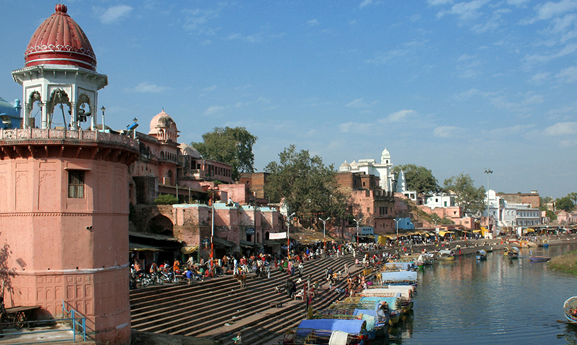
Devout Chitrakoot (141 KM)
Boasting a spiritual legacy that very few cities in India can match, Chitrakoot is known to be of great religious and mythological significance. It is in the deep forests of Chitrakoot that Lord Ram
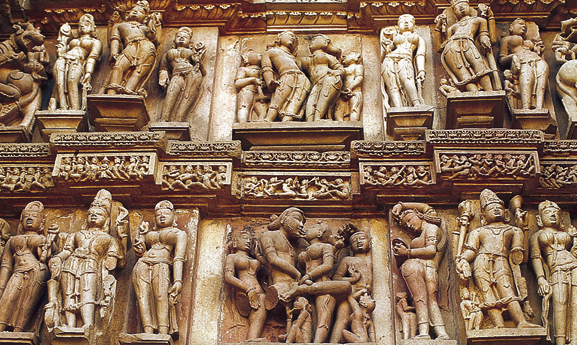
Graceful Khajuraho (43 KM)
Khajuraho is one of the most popular tourist spots in Madhya Pradesh. It is famous for its ancient temples that depict some of the finest art in the world. Built between 950-1050 AD by the Chandela